Optimistic Perspectives for the Crypto Market at the End of 2025
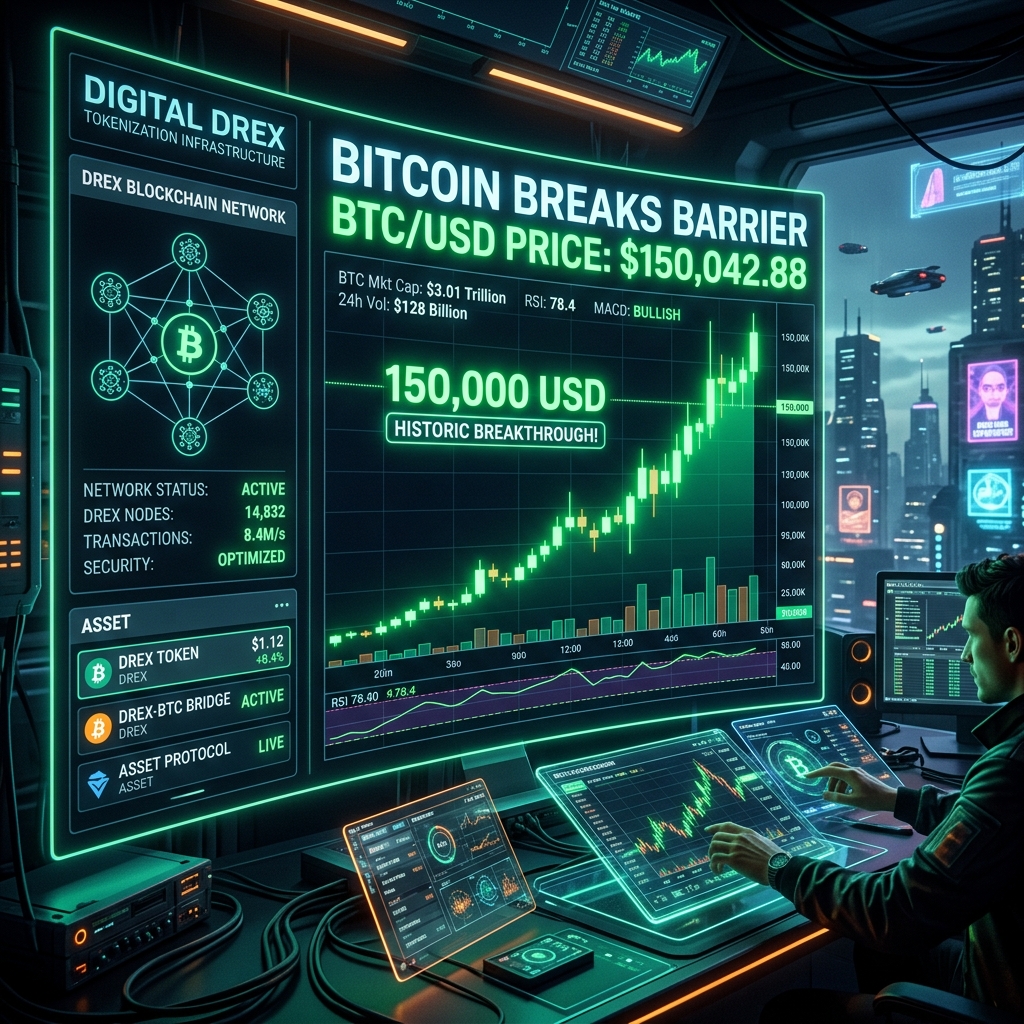
The final price of Bitcoin in 2025 is predicted to be between $130,000 and $250,000.
The main factors driving the growth of the cryptocurrency market in 2025 are:
- Institutional demand for Bitcoin, with ETFs and institutional investors driving the price up.
- Advancements in Layer 2 technology, which will improve scalability and reduce transaction costs.
- The growth of the DeFi ecosystem, with more users and applications being built on top of Ethereum.
- The increasing adoption of cryptocurrencies by institutions and governments.
- The development of new use cases for cryptocurrencies, such as tokenization of real-world assets.
The cryptocurrency market is expected to become more mature and institutionalized in 2025, with more players entering the market and more regulations being put in place.
The main risks associated with investing in cryptocurrencies in 2025 are:
- Volatility: The price of cryptocurrencies can be highly volatile, and there is a risk of significant price drops.
- Regulatory risks: Changes in regulations can impact the price of cryptocurrencies and the ability to use them.
- Security risks: Cryptocurrencies are a new and rapidly evolving technology, and there are risks associated with their security.
- Competition: The cryptocurrency market is highly competitive, and there is a risk that new entrants will disrupt the market.
To mitigate these risks, investors should:
- Diversify their portfolio: Spread investments across different asset classes and sectors to reduce risk.
- Conduct thorough research: Research the company, technology, and market before investing.
- Set clear goals: Define investment goals and risk tolerance before investing.
- Monitor and adjust: Regularly monitor the portfolio and adjust as needed.
The final price of Ethereum in 2025 is predicted to be between $5,000 and $10,000.
The main factors driving the growth of the Ethereum ecosystem in 2025 are:
- Advancements in Layer 2 technology, which will improve scalability and reduce transaction costs.
- The growth of the DeFi ecosystem, with more users and applications being built on top of Ethereum.
- The increasing adoption of Ethereum by institutions and governments.
- The development of new use cases for Ethereum, such as tokenization of real-world assets.
The main risks associated with investing in Ethereum in 2025 are:
- Volatility: The price of Ethereum can be highly volatile, and there is a risk of significant price drops.
- Regulatory risks: Changes in regulations can impact the price of Ethereum and the ability to use it.
- Security risks: Ethereum is a new and rapidly evolving technology, and there are risks associated with its security.
- Competition: The Ethereum ecosystem is highly competitive, and there is a risk that new entrants will disrupt the market.
To mitigate these risks, investors should:
- Diversify their portfolio: Spread investments across different asset classes and sectors to reduce risk.
- Conduct thorough research: Research the company, technology, and market before investing.
- Set clear goals: Define investment goals and risk tolerance before investing.
- Monitor and adjust: Regularly monitor the portfolio and adjust as needed.
The main factors driving the growth of the DeFi ecosystem in 2025 are:
- Advancements in Layer 2 technology, which will improve scalability and reduce transaction costs.
- The growth of the Ethereum ecosystem, with more users and applications being built on top of Ethereum.
- The increasing adoption of DeFi by institutions and governments.
- The development of new use cases for DeFi, such as tokenization of real-world assets.
The main risks associated with investing in DeFi in 2025 are:
- Volatility: The price of DeFi tokens can be highly volatile, and there is a risk of significant price drops.
- Regulatory risks: Changes in regulations can impact the price of DeFi tokens and the ability to use them.
- Security risks: DeFi is a new and rapidly evolving technology, and there are risks associated with its security.
- Competition: The DeFi ecosystem is highly competitive, and there is a risk that new entrants will disrupt the market.
To mitigate these risks, investors should:
- Diversify their portfolio: Spread investments across different asset classes and sectors to reduce risk.
- Conduct thorough research: Research the company, technology, and market before investing.
- Set clear goals: Define investment goals and risk tolerance before investing.
- Monitor and adjust: Regularly monitor the portfolio and adjust as needed.
The main factors driving the growth of the cryptocurrency market in 2025 are:
- Institutional demand for Bitcoin, with ETFs and institutional investors driving the price up.
- Advancements in Layer 2 technology, which will improve scalability and reduce transaction costs.
- The growth of the DeFi ecosystem, with more users and applications being built on top of Ethereum.
- The increasing adoption of cryptocurrencies by institutions and governments.
- The development of new use cases for cryptocurrencies, such as tokenization of real-world assets.
The main risks associated with investing in cryptocurrencies in 2025 are:
- Volatility: The price of cryptocurrencies can be highly volatile, and there is a risk of significant price drops.
- Regulatory risks: Changes in regulations can impact the price of cryptocurrencies and the ability to use them.
- Security risks: Cryptocurrencies are a new and rapidly evolving technology, and there are risks associated with their security.
- Competition: The cryptocurrency market is highly competitive, and there is a risk that new entrants will disrupt the market.
To mitigate these risks, investors should:
- Diversify their portfolio: Spread investments across different asset classes and sectors to reduce risk.
- Conduct thorough research: Research the company, technology, and market before investing.
- Set clear goals: Define investment goals and risk tolerance before investing.
- Monitor and adjust: Regularly monitor the portfolio and adjust as needed.
The final price of Bitcoin in 2025 is predicted to be between $130,000 and $250,000.
The main factors driving the growth of the cryptocurrency market in 2025 are:
- Institutional demand for Bitcoin, with ETFs and institutional investors driving the price up.
- Advancements in Layer 2 technology, which will improve scalability and reduce transaction costs.
- The growth of the DeFi ecosystem, with more users and applications being built on top of Ethereum.
- The increasing adoption of cryptocurrencies by institutions and governments.
- The development of new use cases for cryptocurrencies, such as tokenization of real-world assets.
The main risks associated with investing in cryptocurrencies in 2025 are:
- Volatility: The price of cryptocurrencies can be highly volatile, and there is a risk of significant price drops.
- Regulatory risks: Changes in regulations can impact the price of cryptocurrencies and the ability to use them.
- Security risks: Cryptocurrencies are a new and rapidly evolving technology, and there are risks associated with their security.
- Competition: The cryptocurrency market is highly competitive, and there is a risk that new entrants will disrupt the market.
To mitigate these risks, investors should:
- Diversify their portfolio: Spread investments across different asset classes and sectors to reduce risk.
- Conduct thorough research: Research the company, technology, and market before investing.
- Set clear goals: Define investment goals and risk tolerance before investing.
- Monitor and adjust: Regularly monitor the portfolio and adjust as needed.
The final price of Ethereum in 2025 is predicted to be between $5,000 and $10,000.
The main factors driving the growth of the Ethereum ecosystem in 2025 are:
- Advancements in Layer 2 technology, which will improve scalability and reduce transaction costs.
- The growth of the DeFi ecosystem, with more users and applications being built on top of Ethereum.
- The increasing adoption of Ethereum by institutions and governments.
- The development of new use cases for Ethereum, such as tokenization of real-world assets.
The main risks associated with investing in Ethereum in 2025 are:
- Volatility: The price of Ethereum can be highly volatile, and there is a risk of significant price drops.
- Regulatory risks: Changes in regulations can impact the price of Ethereum and the ability to use it.
- Security risks: Ethereum is a new and rapidly evolving technology, and there are risks associated with its security.
- Competition: The Ethereum ecosystem is highly competitive, and there is a risk that new entrants will disrupt the market.
To mitigate these risks, investors should:
- Diversify their portfolio: Spread investments across different asset classes and sectors to reduce risk.
- Conduct thorough research: Research the company, technology, and market before investing.
- Set clear goals: Define investment goals and risk tolerance before investing.
- Monitor and adjust: Regularly monitor the portfolio and adjust as needed.
The main factors driving the growth of the DeFi ecosystem in 2025 are:
- Advancements in Layer 2 technology, which will improve scalability and reduce transaction costs.
- The growth of the Ethereum ecosystem, with more users and applications being built on top of Ethereum.
- The increasing adoption of DeFi by institutions and governments.
- The development of new use cases for DeFi, such as tokenization of real-world assets.
The main risks associated with investing in DeFi in 2025 are:
- Volatility: The price of DeFi tokens can be highly volatile, and there is a risk of significant price drops.
- Regulatory risks: Changes in regulations can impact the price of DeFi tokens and the ability to use them.
- Security risks: DeFi is a new and rapidly evolving technology, and there are risks associated with its security.
- Competition: The DeFi ecosystem is highly competitive, and there is a risk that new entrants will disrupt the market.
To mitigate these risks, investors should:
- Diversify their portfolio: Spread investments across different asset classes and sectors to reduce risk.
- Conduct thorough research: Research the company, technology, and market before investing.
- Set clear goals: Define investment goals and risk tolerance before investing.
- Monitor and adjust: Regularly monitor the portfolio and adjust as needed.
The main factors driving the growth of the cryptocurrency market in 2025 are:
- Institutional demand for Bitcoin, with ETFs and institutional investors driving the price up.
- Advancements in Layer 2 technology, which will improve scalability and reduce transaction costs.
- The growth of the DeFi ecosystem, with more users and applications being built on top of Ethereum.
- The increasing adoption of cryptocurrencies by institutions and governments.
- The development of new use cases for cryptocurrencies, such as tokenization of real-world assets.
The main risks associated with investing in cryptocurrencies in 2025 are:
- Volatility: The price of cryptocurrencies can be highly volatile, and there is a risk of significant price drops.
- Regulatory risks: Changes in regulations can impact the price of cryptocurrencies and the ability to use them.
- Security risks: Cryptocurrencies are a new and rapidly evolving technology, and there are risks associated with their security.
- Competition: The cryptocurrency market is highly competitive, and there is a risk that new entrants will disrupt the market.
To mitigate these risks, investors should:
- Diversify their portfolio: Spread investments across different asset classes and sectors to reduce risk.
- Conduct thorough research: Research the company, technology, and market before investing.
- Set clear goals: Define investment goals and risk tolerance before investing.
- Monitor and adjust: Regularly monitor the portfolio and adjust as needed.
The final price of Bitcoin in 2025 is predicted to be between $130,000 and $250,000.
The main factors driving the growth of the cryptocurrency market in 2025 are:
- Institutional demand for Bitcoin, with ETFs and institutional investors driving the price up.
- Advancements in Layer 2 technology, which will improve scalability and reduce transaction costs.
- The growth of the DeFi ecosystem, with more users and applications being built on top of Ethereum.
- The increasing adoption of cryptocurrencies by institutions and governments.
- The development of new use cases for cryptocurrencies, such as tokenization of real-world assets.
The main risks associated with investing in cryptocurrencies in 2025 are:
- Volatility: The price of cryptocurrencies can be highly volatile, and there is a risk of significant price drops.
- Regulatory risks: Changes in regulations can impact the price of cryptocurrencies and the ability to use them.
- Security risks: Cryptocurrencies are a new and rapidly evolving technology, and there are risks associated with their security.
- Competition: The cryptocurrency market is highly competitive, and there is a risk that new entrants will disrupt the market.
To mitigate these risks, investors should:
- Diversify their portfolio: Spread investments across different asset classes and sectors to reduce risk.
- Conduct thorough research: Research the company, technology, and market before investing.
- Set clear goals: Define investment goals and risk tolerance before investing.
- Monitor and adjust: Regularly monitor the portfolio and adjust as needed.
The final price of Ethereum in 2025 is predicted to be between $5,000 and $10,000.
The main factors driving the growth of the Ethereum ecosystem in 2025 are:
- Advancements in Layer 2 technology, which will improve scalability and reduce transaction costs.
- The growth of the DeFi ecosystem, with more users and applications being built on top of Ethereum.
- The increasing adoption of Ethereum by institutions and governments.
- The development of new use cases for Ethereum, such as tokenization of real-world assets.
The main risks associated with investing in Ethereum in 2025 are:
- Volatility: The price of Ethereum can be highly volatile, and there is a risk of significant price drops.
- Regulatory risks: Changes in regulations can impact the price of Ethereum and the ability to use it.
- Security risks: Ethereum is a new and rapidly evolving technology, and there are risks associated with its security.
- Competition: The Ethereum ecosystem is highly competitive, and there is a risk that new entrants will disrupt the market.
To mitigate these risks, investors should:
- Diversify their portfolio: Spread investments across different asset classes and sectors to reduce risk.
- Conduct thorough research: Research the company, technology, and market before investing.
- Set clear goals: Define investment goals and risk tolerance before investing.
Perguntas Frequentes
O que são criptomoedas?
Ativos digitais baseados em criptografia e blockchain, descentralizados e programáveis. Bitcoin foi a primeira (2009); hoje existem milhares com diferentes propostas de valor (pagamento, smart contracts, privacidade, governança, etc.).
Nunca deixe todo seu capital em exchanges
Aprenda os princípios de autocustódia, carteiras de hardware e proteção contra ataques de phishing.
Como declarar cripto no Imposto de Renda?
Ficha "Bens e Direitos", código 81. Informe exchange/carteira, quantidade e valor de aquisição em 31/12. Vendas mensais > R$ 35k geram ganho de capital (15-22,5%). Use controle de custo médio (FIFO).
Qual a diferença entre exchange e carteira?
Exchange (corretora) guarda suas chaves (custodial) — risco de contraparte. Carteira (wallet) você guarda as chaves (non-custodial) — responsabilidade total sua. "Not your keys, not your coins".
Quer dar o próximo passo?
Abra sua conta na corretora parceira oficial com liquidez global, depósito via PIX e bônus de boas-vindas.
Guarde seus Ativos com Carteiras Físicas (Hardware Wallets)
Deixar criptomoedas em corretoras expõe seu patrimônio a riscos de bloqueios e invasões. As Hardware Wallets isolam suas chaves privadas totalmente da internet, garantindo que apenas você tenha controle do seu dinheiro.
Ledger Flex (Touchscreen E-Ink)
A nova carteira de hardware com tela touch E-Ink segura, conexão Bluetooth, USB-C e proteção para mais de 5.500 criptoativos.
- Tela Touchscreen E-Ink de alta definição
- Chip Secure Element CC EAL6+ anti-violação
- Personalização de tela de bloqueio com NFT ou foto
- Compatível com iOS, Android, Mac e Windows
Ledger Nano S Plus (Matte Black)
O clássico modelo de entrada com tela nítida, memória ampliada para até 100 aplicativos simultâneos e blindagem militar.
- Preço mais acessível para iniciantes
- Chip CC EAL6+ para isolamento total de chaves
- Gerencie pelo aplicativo oficial Ledger Live
- Envio internacional com garantia oficial
Trezor Safe 3 & Safe 5
A pioneira e referência absoluta em transparência e segurança de chaves privadas para Bitcoin e criptoativos.
- Arquitetura Open Source auditável
- Tela colorida com confirmação física
- Proteção com Shamir Backup
- Suporte nativo a Bitcoin e EVMs
Opere Cripto com a Mesma Plataforma dos Traders Institucionais
Pare de operar no escuro. Tenha acesso à ferramenta de análise gráfica mais utilizada do planeta com gráficos ao vivo, candles sem atraso e suporte completo a centenas de pares cripto.
Ao criar sua conta através d'A Cifra, você ganha um cupom de $15 de desconto na sua assinatura Pro e 30 dias de teste grátis.
Gaste Criptomoedas e Ganhe Cashback em Bitcoin e Dólar
Transforme seus ganhos em poder de compra imediato sem precisar sacar para o banco tradicional. Os Cartões Cripto Internacionais permitem pagar contas, restaurantes e compras online recebendo parte do valor de volta em criptomoedas.
Cartão Cripto Global (Bitget Card)
Converta USDT/BTC na hora do pagamento com bandeira Visa/Mastercard aceita no mundo todo.
- Sem taxa de anuidade ou emissão oculta
- Pagamento por aproximação via Apple Pay / Google Pay
- Cashback creditado direto na sua conta
- Limite de gastos flexível em saldo de criptoativos
Binance Card & Pay
Use seus fundos spot e earn para compras instantâneas em qualquer maquininha física ou site.
- Conversão automática com a menor taxa de spread
- Gerenciamento total de limites pelo app oficial
- Descontos exclusivos em passagens e reservas de hotel
- Suporte a pagamentos via QR Code instantâneo
Plataformas Recomendadas para Negociação e Staking
Compare as maiores corretoras globais reguladas com suporte a depósitos instantâneos via PIX, taxas reduzidas e bônus de abertura de conta.
Bitget
Exchange Global de Alta Liquidez
- Até $5.000 em bônus
- Taxas baixas a partir de 0.1%
- Copy trading automatizado
- Depósitos rápidos via PIX

Binance
Maior Corretora do Mundo
- Cashback exclusivo em USDC
- Mais de 600 criptomoedas
- Maior volume global
- Staking flexível e bloqueado

OKX
Infraestrutura Web3 & Trading
- Mystery Box de até $10.000
- Carteira Web3 integrada
- Taxas competitivas para trading
- Plataforma profissional auditada

Gate.io
Líder em Diversidade de Altcoins
- Mais de 1.700 altcoins listadas
- Acesso antecipado a tokens
- Startup Launchpad com airdrops
- Bônus de boas-vindas ativo

Kraken
Pioneira em Segurança e Custódia
- Segurança institucional de referência
- Suporte especializado 24/7
- Margin trading avançado
- Interface Pro com gráficos fluidos

Coinbase
Referência em Simplicidade
- Ganhe $10 em Bitcoin no cadastro
- Empresa listada na Nasdaq (COIN)
- Interface ultra simples para iniciantes
- Segurança regulatória global
Ao utilizar os links de convite acima, você garante os benefícios oficiais de cadastro e apoia a produção de jornalismo educativo e análises independentes da A Cifra.
Conteúdo educacional e informativo, sem caráter de recomendação de investimento personalizada. Rentabilidades passadas não garantem resultados futuros. Antes de investir, consulte um profissional certificado pela CVM.