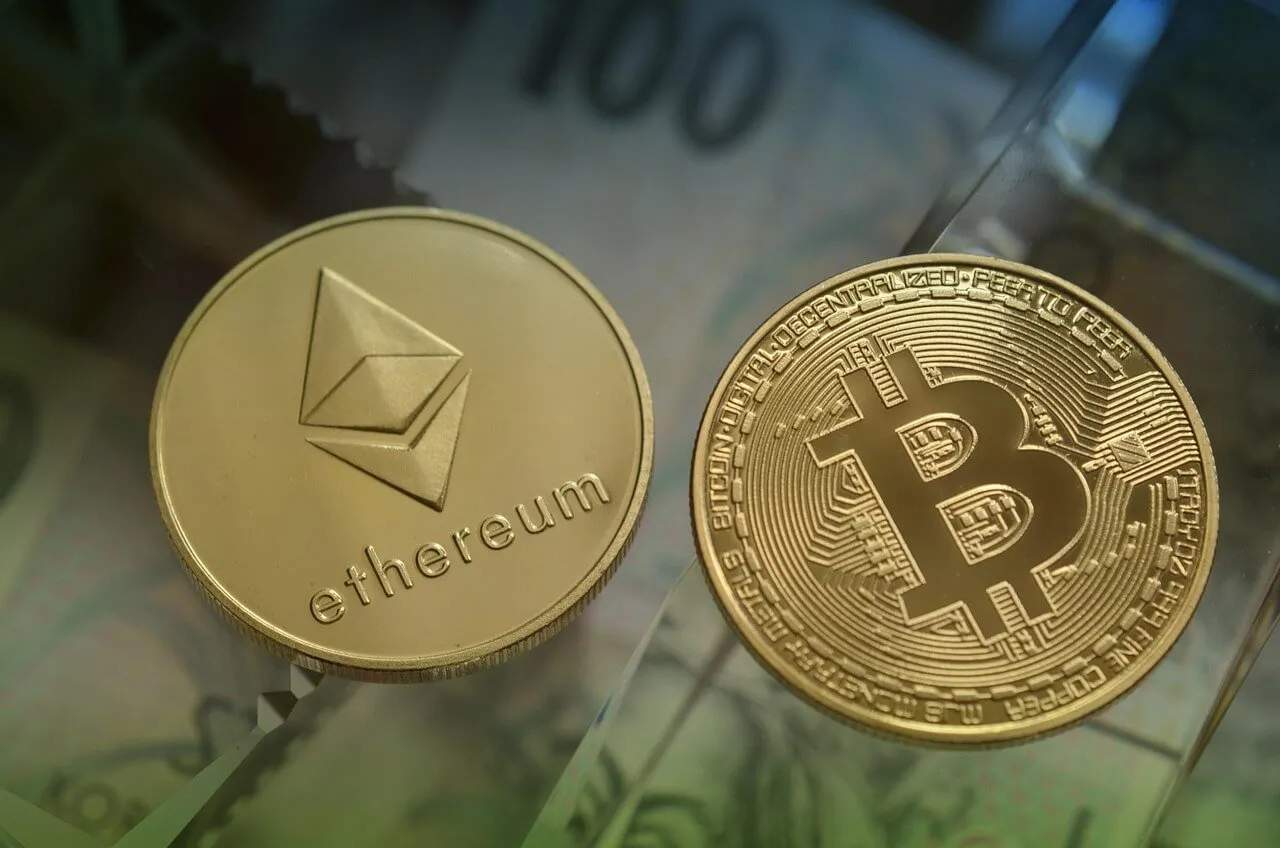
Decentralized Finance (DeFi): Revolutionizing Traditional Finance
Decentralized Finance (DeFi) represents one of the most disruptive innovations in the blockchain ecosystem. By eliminating traditional intermediaries such as banks and brokers, DeFi is democratizing access to financial services globally.
In 2025, DeFi is moving over $100 billion in total value locked (TVL), offering loans, investments, trading, and complex financial services - all without the need for banks or centralized institutions.
This article will explore how DeFi works and why it's revolutionizing the traditional financial system.
What is DeFi?
DeFi (Decentralized Finance) is an ecosystem of financial applications built on public blockchains, primarily Ethereum. It uses smart contracts (intelligent contracts) to automate financial services without intermediaries.
Differences between Traditional Finance and DeFi
| Aspect | Traditional Finance | DeFi |
|---|---|---|
| Control | Banks and institutions | You yourself |
| Access | Requires approval | Open to all |
| Time | Business hours | 24/7/365 |
| Transparency | Opaque | Totally transparent |
| Costs | High fees | Low fees (gas fees) |
| Speed | Days for transfers | Minutes |
| Censorship | Can be blocked | Resistant to censorship |
How Does DeFi Work?
Smart Contracts
Smart contracts are self-executing codes on the blockchain that automate financial agreements:
- No intermediaries are needed
- Execute automatically when conditions are met
- Immutable and transparent
- Auditable by anyone
Example: A DeFi loan contract automatically:
- Receives your collateral (security)
- Releases the loan
- Charges interest automatically
- Liquidates the position if collateral falls too low
Main Components
Wallets (Digital Wallets)
- MetaMask, Trust Wallet, Ledger
- You control your private keys
- Connects to DeFi applications
DEXs (Decentralized Exchanges)
- Uniswap, PancakeSwap, Curve
- Trading without custody
- You maintain control of your funds
Lending Protocols (Loan Protocols)
- Aave, Compound, MakerDAO
- Lend and borrow crypto
- Earn interest on deposits
Stablecoins
- USDT, USDC, DAI
- Cryptocurrencies pegged to the dollar
- Reduce volatility
Main DeFi Services
1. Loans and Credit
How it Works:
- Deposit crypto as collateral (e.g., ETH)
- Borrow stablecoins (e.g., USDC)
- Pay interest automatically
- Recover collateral when paying off the loan
Advantages:
- No credit check required
- Instant approval
- Competitive rates (3-8% per year)
- Global access
Popular Protocols:
- Aave - Largest loan protocol
- Compound - Pioneer in DeFi lending
- MakerDAO - Creates stablecoin DAI
2. Yield Farming (Agriculture of Returns)
How it Works:
- Provide liquidity to pools
- Earn trading fees + rewards in tokens
- APYs can range from 5% to 100%+
Example:
- Deposit ETH + USDC in Uniswap pool
- Receive LP tokens (Liquidity Provider)
- Earn 0.3% of all trades
- Stake LP tokens for extra rewards
Risks:
- Impermanent loss (temporary loss)
- Volatility of tokens
- Risks of smart contracts
3. Staking
How it Works:
- Lock tokens in a protocol
- Help validate transactions
- Earn rewards (5-20% per year)
Options:
- Ethereum Staking - 3-5% APY
- Liquid Staking (Lido, Rocket Pool) - Maintain liquidity
- DeFi Staking - Stake governance tokens
4. Decentralized Trading
DEXs Mainly:
- Uniswap - Largest DEX on Ethereum
- PancakeSwap - Leader on BSC
- Curve - Specialized in stablecoins
- dYdX - Derivatives and futures
Advantages:
- No KYC required
- You control your funds
- Access to new tokens
- No withdrawal limits
5. Derivatives and Futures
Protocols:
- GMX - Decentralized perpetual trading
- dYdX - Futures with leverage
- Synthetix - Synthetic assets
Resources:
- Leverage up to 50x
- Trading of commodities, stocks, forex
- No intermediaries
Main DeFi Protocols in 2025
| Protocol | TVL | Category | Blockchain |
|---|---|---|---|
| Lido | $25B | Liquid Staking | Ethereum |
| Aave | $12B | Lending | Multi-chain |
| MakerDAO | $8B | Stablecoin | Ethereum |
| Uniswap | $6B | DEX | Ethereum |
| Curve | $5B | DEX Stablecoins | Multi-chain |
| Compound | $4B | Lending | Ethereum |
| Rocket Pool | $3.5B | Liquid Staking | Ethereum |
| GMX | $1.5B | Derivatives | Arbitrum |
How to Start with DeFi
🎁 Top Exchanges com Bônus
Selecionamos as melhores corretoras do mundo para você investir com segurança, baixas taxas e ganhar recompensas exclusivas.
Bitget
Exchange Global
- ✅Até $5.000 em bônus
- ✅Taxas baixas (0.1%)
- ✅Copy trading
- ✅Futures e spot

Binance
Maior do Mundo
- ✅Cashback em USDC
- ✅600+ criptomoedas
- ✅Maior liquidez
- ✅Staking e Earn

OKX
Web3 & Trading
- ✅Mystery Box até $10k
- ✅Carteira Web3 Poderosa
- ✅Baixas taxas
- ✅Plataforma Profissional

Gate.io
Casa das Altcoins
- ✅1700+ Criptomoedas
- ✅Startup Launchpad
- ✅Bônus de Boas-vindas
- ✅Encontre Gemas Cedo

Kraken
Segurança Top
- ✅Segurança Institucional
- ✅Suporte Humano 24/7
- ✅Margin Trading
- ✅Interface Pro

Coinbase
Mais Segura
- ✅Ganhe $10 em Bitcoin
- ✅Regulada Publicamente
- ✅Interface Simples
- ✅Ideal para Iniciantes
💡 Disclaimer: Ao usar nossos links de convite, você garante os melhores bônus de cadastro e apoia a produção de conteúdo educativo gratuito do A Cifra.
Step 1: Set up a Wallet
MetaMask (Recommended for Beginners)
- Install browser extension
- Create a new wallet
- Note seed phrase (12 words)
- Add networks (Ethereum, Polygon, Arbitrum)
Other Options:
- Trust Wallet (mobile)
- Ledger (hardware wallet for security)
- Rabby Wallet (multi-chain)
Step 2: Buy Crypto
Buy ETH or stablecoins on exchanges:
- Bitget - Deposit via PIX
- Coinbase - Simple interface
- Binance - Largest liquidity
Step 3: Transfer to Wallet
- Copy your MetaMask address
- On the exchange, go to "Withdraw"
- Paste address and select network (Ethereum, Polygon, etc.)
- Confirm transaction
⚠️ Attention: Choose the correct network! Sending to the wrong network can lose funds.
Step 4: Connect to DeFi Protocols
For Lending (Aave):
- Access app.aave.com
- Connect MetaMask
- Select asset to deposit
- Approve transaction
- Start earning interest
For DEX (Uniswap):
- Access app.uniswap.org
- Connect wallet
- Select tokens to trade
- Confirm swap
For Yield Farming:
- Select protocol (e.g., Curve)
- Add liquidity to pool
- Receive LP tokens
- Stake for extra rewards
Risks of DeFi
1. Risks of Smart Contracts
- Bugs in code can be exploited
- Hacks have already resulted in billions lost
- Use only audited protocols
2. Impermanent Loss
- Temporary loss when providing liquidity
- Occurs when token prices change
- Can be compensated by fees and rewards
3. Volatility
- Crypto prices are volatile
- Can result in liquidations
- Use stablecoins to reduce risk
4. Risks of Liquidation
- If collateral falls too low, position is liquidated
- Maintain a healthy collateralization ratio
- Monitor positions regularly
5. Gas Fees
- Transaction fees can be high on Ethereum
- Use Layer 2s (Arbitrum, Optimism) to save
- Make transactions during low-traffic hours
Tips for Using DeFi with Security
Basic Security
✅ Use a hardware wallet for large amounts ✅ Never share seed phrase ✅ Verify URLs (phishing is common) ✅ Start with small values ✅ Use established and audited protocols
Risk Management
✅ Diversify between protocols ✅ Don't put all in one pool ✅ Understand risks before investing ✅ Maintain a reserve for gas fees ✅ Monitor positions regularly
Optimization
✅ Use Layer 2s to save gas ✅ Compare APYs between protocols ✅ Consider transaction costs ✅ Reinvest rewards (compound) ✅ Declare on income tax
Conclusion
DeFi is revolutionizing finance by:
- Eliminating intermediaries
- Democratizing access
- Providing total transparency
- Creating new economic models
Start small, learn continuously, and explore this new financial world with responsibility.
Last updated: November 23, 2025
The future of finance is decentralized, transparent, and accessible to all. Welcome to DeFi.