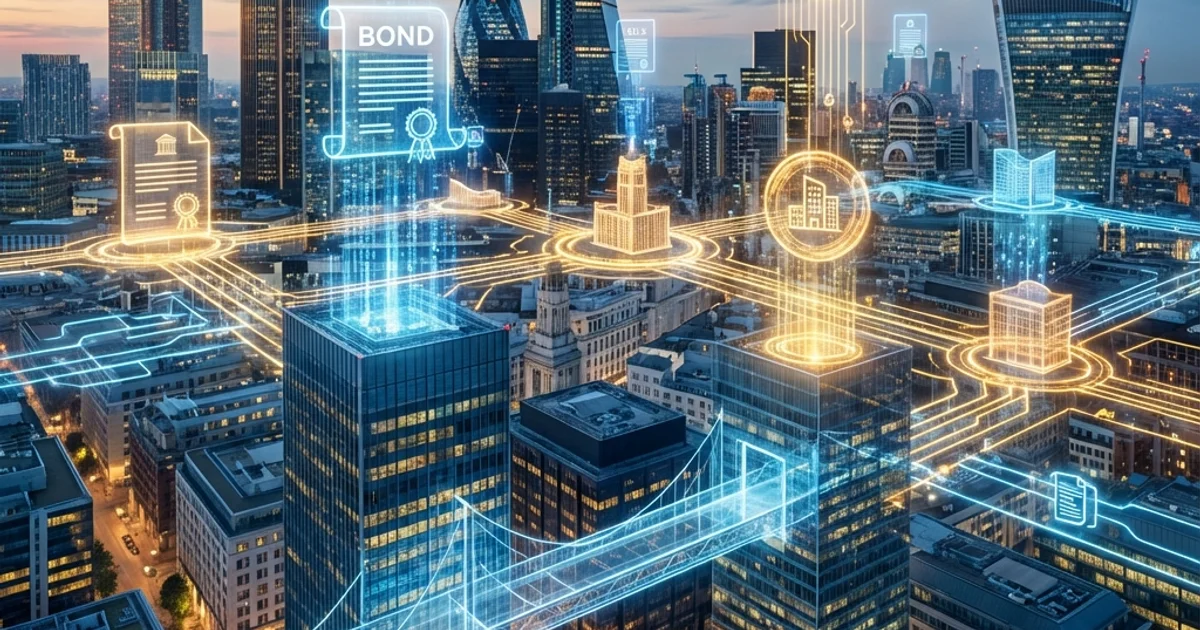
Real World Asset (RWA) Tokenization: How Blockchain is Revolutionizing the $16 Trillion Market
Real World Asset (RWA) tokenization is emerging as one of the most transformative trends in the 2025 blockchain ecosystem. With projections of a market that could reach $16 trillion by 2030, this technology is democratizing access to investments that were once exclusive to large financial institutions.
What Are Tokenized Real World Assets (RWA)?
Tokenized Real World Assets represent the conversion of physical or traditional financial assets into digital tokens on the blockchain. These assets include:
- Real Estate: Residential and commercial properties
- Debt Securities: Corporate and government bonds
- Commodities: Gold, silver, oil
- Art and Collectibles: Artworks, rare wines
- Carbon Credits: Environmental certificates
- Receivables: Invoices and accounts receivable
Tokenization transforms these assets into verifiable and tradable digital representations on the blockchain, maintaining all legal and economic rights of the original asset.
Why is RWA Tokenization Exploding in 2025?
1. ETF Approval and Institutional Adoption
The approval of Bitcoin and Ethereum ETFs in 2024 opened the floodgates for institutional adoption. Major banks and asset managers now see blockchain as legitimate infrastructure for tokenizing traditional assets.
Leading institutions in RWA:
- BlackRock: Launched BUIDL, tokenized US Treasury fund
- JPMorgan: Developed Onyx platform for tokenized asset settlement
- Goldman Sachs: Investing in private equity tokenization platforms
2. Clearer Regulation
Governments worldwide are establishing regulatory frameworks for digital assets:
- European Union: MiCA (Markets in Crypto-Assets) provides legal clarity
- United States: SEC is developing guidelines for tokenized securities
- Singapore: MAS (Monetary Authority of Singapore) leads in progressive regulation
3. Mature and Interoperable Technology
Tokenization protocols are more robust:
- ERC-3643 Standards: Automatic compliance for security tokens
- Cross-chain bridges: Enable RWA transfers between different blockchains
- Decentralized oracles: Chainlink and others provide reliable real-world data
Benefits of Real World Asset Tokenization
1. Fractional Ownership
Tokenization allows dividing high-value assets into smaller fractions, making previously inaccessible investments available to common investors.
Practical example:
- A $10 million commercial property can be divided into 10,000 tokens of $1,000 each
- Investors can buy just 1 token, gaining exposure to premium real estate market
2. 24/7 Liquidity
Unlike traditional markets, tokenized assets can be traded 24 hours a day, 7 days a week, on decentralized exchanges (DEXs) or specialized platforms.
Impact:
- Reduction of "illiquidity premium" for traditionally illiquid assets
- Faster exit from positions when needed
- More efficient pricing through continuous markets
3. Transparency and Auditability
All transactions are recorded on the blockchain, creating an immutable and transparent history.
Advantages:
- Reduction of fraud and manipulation
- Real-time auditing
- Automated compliance through smart contracts
Nunca deixe todo seu capital em exchanges
Aprenda os princípios de autocustódia, carteiras de hardware e proteção contra ataques de phishing.
4. Reduced Costs
Eliminating intermediaries and automating processes significantly reduces costs:
- Transaction costs: 40-80% reduction compared to traditional methods
- Custody costs: Smart contracts eliminate need for traditional custodians
- Compliance costs: Automation through code
5. Global Access
Investors from anywhere in the world can access tokenized assets, as long as they meet regulatory requirements.
Main RWA Protocols and Platforms in 2025
1. Centrifuge
Leading platform in receivables and private credit tokenization.
Highlights:
- TVL (Total Value Locked): $500+ million
- Partnership with MakerDAO to provide real assets as collateral for DAI
- Tokenization of invoices, auto loans, and real estate credit
2. Ondo Finance
Focused on tokenized fixed income products.
Products:
- OUSG: Token backed by short-term US Treasury securities
- OMMF: Money market fund token
- Annual yield: 4-5% in stablecoins
3. Maple Finance
Decentralized institutional lending platform.
Features:
- Loans to crypto and fintech companies
- Pool delegates perform due diligence
- Returns: 8-12% APY for liquidity providers
4. RealT
Specialized in residential real estate tokenization in the US.
How it works:
- Properties are acquired and tokenized
- Investors receive proportional rent weekly
- Minimum investment: $50
- Average yield: 8-10% per year
5. Goldfinch
Decentralized credit protocol for emerging markets.
Mission:
- Provide capital to companies in developing countries
- No crypto collateral required
- Credit assessment based on reputation and financial analysis
How to Invest in Tokenized Real World Assets
Step 1: Choose a Trusted Platform
Verify:
- ✅ Licenses and regulatory compliance
- ✅ Smart contract audits
- ✅ Team history and reputation
- ✅ Transparency in underlying assets
Step 2: Complete KYC/AML
Most RWA platforms require identity verification due to securities regulations.
Required documents:
- Photo ID
- Proof of residence
- Income source information (in some cases)
Quer dar o próximo passo?
Abra sua conta na corretora parceira oficial com liquidez global, depósito via PIX e bônus de boas-vindas.
Guarde seus Ativos com Carteiras Físicas (Hardware Wallets)
Deixar criptomoedas em corretoras expõe seu patrimônio a riscos de bloqueios e invasões. As Hardware Wallets isolam suas chaves privadas totalmente da internet, garantindo que apenas você tenha controle do seu dinheiro.
Ledger Flex (Touchscreen E-Ink)
A nova carteira de hardware com tela touch E-Ink segura, conexão Bluetooth, USB-C e proteção para mais de 5.500 criptoativos.
- Tela Touchscreen E-Ink de alta definição
- Chip Secure Element CC EAL6+ anti-violação
- Personalização de tela de bloqueio com NFT ou foto
- Compatível com iOS, Android, Mac e Windows
Ledger Nano S Plus (Matte Black)
O clássico modelo de entrada com tela nítida, memória ampliada para até 100 aplicativos simultâneos e blindagem militar.
- Preço mais acessível para iniciantes
- Chip CC EAL6+ para isolamento total de chaves
- Gerencie pelo aplicativo oficial Ledger Live
- Envio internacional com garantia oficial
Trezor Safe 3 & Safe 5
A pioneira e referência absoluta em transparência e segurança de chaves privadas para Bitcoin e criptoativos.
- Arquitetura Open Source auditável
- Tela colorida com confirmação física
- Proteção com Shamir Backup
- Suporte nativo a Bitcoin e EVMs
Opere Cripto com a Mesma Plataforma dos Traders Institucionais
Pare de operar no escuro. Tenha acesso à ferramenta de análise gráfica mais utilizada do planeta com gráficos ao vivo, candles sem atraso e suporte completo a centenas de pares cripto.
Ao criar sua conta através d'A Cifra, você ganha um cupom de $15 de desconto na sua assinatura Pro e 30 dias de teste grátis.
Plataformas Recomendadas para Negociação e Staking
Compare as maiores corretoras globais reguladas com suporte a depósitos instantâneos via PIX, taxas reduzidas e bônus de abertura de conta.
Bitget
Exchange Global de Alta Liquidez
- Até $5.000 em bônus
- Taxas baixas a partir de 0.1%
- Copy trading automatizado
- Depósitos rápidos via PIX

Binance
Maior Corretora do Mundo
- Cashback exclusivo em USDC
- Mais de 600 criptomoedas
- Maior volume global
- Staking flexível e bloqueado

OKX
Infraestrutura Web3 & Trading
- Mystery Box de até $10.000
- Carteira Web3 integrada
- Taxas competitivas para trading
- Plataforma profissional auditada

Gate.io
Líder em Diversidade de Altcoins
- Mais de 1.700 altcoins listadas
- Acesso antecipado a tokens
- Startup Launchpad com airdrops
- Bônus de boas-vindas ativo

Kraken
Pioneira em Segurança e Custódia
- Segurança institucional de referência
- Suporte especializado 24/7
- Margin trading avançado
- Interface Pro com gráficos fluidos

Coinbase
Referência em Simplicidade
- Ganhe $10 em Bitcoin no cadastro
- Empresa listada na Nasdaq (COIN)
- Interface ultra simples para iniciantes
- Segurança regulatória global
Ao utilizar os links de convite acima, você garante os benefícios oficiais de cadastro e apoia a produção de jornalismo educativo e análises independentes da A Cifra.
Conteúdo educacional e informativo, sem caráter de recomendação de investimento personalizada. Rentabilidades passadas não garantem resultados futuros. Antes de investir, consulte um profissional certificado pela CVM.
Step 3: Connect Your Wallet
Use compatible wallets like:
- MetaMask
- Ledger (hardware wallet for greater security)
- Gnosis Safe (for institutional investments)
Step 4: Analyze Available Assets
Evaluate:
- Expected yield: Compare with traditional alternatives
- Risk: Understand underlying asset and legal structure
- Liquidity: Check trading volume and secondary market
- Fees: Consider platform fees and transaction costs
Step 5: Diversify
Don't put all resources in a single tokenized asset:
- 30-40%: Tokenized Treasury bonds (low risk)
- 30-40%: Tokenized real estate (medium risk)
- 20-30%: Private credit and loans (medium-high risk)
- 10%: Alternative assets (art, commodities)
Risks and Challenges of RWA Tokenization
1. Regulatory Risk
Challenge: Regulations may change, affecting legality or taxation of tokenized assets.
Mitigation:
- Invest in platforms with strong compliance
- Stay updated on regulatory changes
- Consult a crypto-specialized accountant
2. Smart Contract Risk
Challenge: Bugs or vulnerabilities in code can result in loss of funds.
Mitigation:
- Prefer protocols audited by renowned companies (Certik, Trail of Bits)
- Check for bug bounty programs
- Start with smaller investments
3. Liquidity Risk
Challenge: Some tokenized assets may have low liquidity in secondary market.
Mitigation:
- Check trading volume before investing
- Be prepared to hold investment until maturity
- Diversify among assets with different liquidity profiles
4. Custody Risk
Challenge: Questions about who legally holds the underlying asset.
Mitigation:
- Understand legal structure (SPV, trust, etc.)
- Verify asset segregation
- Prefer platforms with institutional custody
5. Counterparty Risk
Challenge: Dependence on issuer or asset manager solvency.
Mitigation:
- Analyze issuer's financial health
- Diversify among multiple issuers
- Prefer overcollateralized assets
The Future of RWA Tokenization
Newsletter Semanal
Análises profundas, alertas de oportunidades e guias práticos direto no seu email.
✓ Sem spam ✓ Cancele quando quiser ✓ 100% gratuito
Trends for 2025-2030
1. Integration with TradFi
- Traditional banks will launch their own tokenization platforms
- Interoperability between blockchain and legacy banking systems
2. Expansion to New Assets
- Intellectual property tokenization (patents, royalties)
- Carbon credits and ESG assets
- Infrastructure (roads, bridges, renewable energy)
3. Complete Automation
- Smart contracts will manage entire asset lifecycle
- Automatic distribution of dividends and interest
- Automatic portfolio rebalancing
4. Access Democratization
- Mobile-first platforms for retail investors
- Integrated financial education
- Investments starting from $10
5. Harmonized Global Regulation
- International standards for tokenized securities
- Asset passporting between jurisdictions
- Greater investor protection
Real Success Use Cases
Case 1: Commercial Real Estate Tokenization in New York
Details:
- Property value: $30 million
- Tokens issued: 30,000 (each token = $1,000)
- Annual yield: 7% (rent)
- 2-year appreciation: 15%
Result: Investors who bought tokens had total return of 29% in 2 years, outperforming traditional real estate funds.
Case 2: Tokenized Treasury Fund
Details:
- Platform: Ondo Finance
- Asset: US Treasury Bills
- Yield: 5.2% APY
- Liquidity: Redemption in 24-48 hours
Result: Investors obtained yield superior to traditional savings accounts with much greater liquidity.
Case 3: Loan to Fintech in Latin America
Details:
- Platform: Goldfinch
- Borrower: Payment fintech in Brazil
- Amount: $5 million
- Rate: 12% APY
- Term: 12 months
Result: Loan fully repaid, investors received 12% return.
Conclusion: The Future is Tokenized
Real world asset tokenization is not just a passing trend – it's a fundamental transformation in how we invest and access financial markets. With $16 trillion in assets projected to be tokenized by 2030, we're only at the beginning of this revolution.
Key takeaways:
✅ Democratization: Access to investments once exclusive to institutions ✅ Efficiency: Cost reduction and increased liquidity ✅ Transparency: Blockchain provides complete auditability ✅ Innovation: New financial products and opportunities ✅ Regulation: Clearer frameworks are emerging
Next steps:
- Educate yourself about blockchain and DeFi fundamentals
- Start with regulated and audited platforms
- Invest small amounts initially
- Diversify among different types of RWAs
- Stay updated on regulatory changes
RWA tokenization is building the bridge between the traditional financial world and the decentralized future. Those who understand and adopt this technology early will be well positioned to take advantage of opportunities that will arise in the coming years.
Disclaimer: This article is for educational purposes only and does not constitute financial advice. Always do your own research (DYOR) and consult a financial professional before investing.
Perguntas Frequentes
O que é DeFi?
Finanças Descentralizadas (DeFi) são protocolos blockchain que replicam serviços financeiros tradicionais (empréstimos, troca, poupança) sem intermediários, usando smart contracts em redes como Ethereum, Arbitrum, Base, etc.
O que é yield farming?
Estratégia de fornecer liquidez a protocolos DeFi (pools de liquidez, lending) em troca de recompensas em tokens de governança ou juros. Envolve riscos como impermanent loss, smart contract risk e volatilidade dos tokens de recompensa.
DeFi é seguro?
Riscos principais: bugs em smart contracts (auditoria mitiga), rug pulls (projetos anônimos), oracle manipulation, e risco sistêmico (ex: colapso da Terra/LUNA). Diversifique, use protocolos auditados e com histórico.
Como começar em DeFi?
- Compre ETH ou stablecoins em exchange. 2) Transfira para carteira não-custodial (MetaMask, Rabby). 3) Conecte em protocolos grandes (Aave, Uniswap, Curve). 4) Comece com valores pequenos para aprender.