Sustainable Hashrate: How Crypto Mining Saved the Western Energy Grid in 2026
The year is 2026, and the old headlines screaming about "Bitcoin using more power than Argentina" have been replaced by a more nuanced reality. As detailed in our Comprehensive State of Bitcoin Mining 2026 Study, the mining industry hasn't just cleaned up its act — it has become an essential pillar of the modern energy grid.
So, how did one of the most controversial industries on Earth transform into the darling of the energy transition?
1. The "Demand Response" Revolution
Building a 100% renewable energy grid (Solar and Wind) has a fundamental problem: Intermittency. Sometimes the wind blows too hard when no one is using power; other times, the sun goes down during peak demand hours.
In 2026, Bitcoin miners act as a "Virtual Battery."
- The Setup: A massive 500MW mining farm in Texas or Scandinavia is connected directly to the high-voltage grid.
- The Mechanism: When the grid is stressed (e.g., a massive heatwave in July), the grid operator sends a signal. Within 15 seconds, the Bitcoin miners shut down their Antminer S25 Pro units, releasing 500MW back to the city.
- The Result: We no longer need "Peaker Plants" (expensive, polluting natural gas plants) to handle spikes. Bitcoin miners pay for the fixed costs of the grid and then step aside when the people need the power.
2. Closing the Methane Loop
Methane is 80 times more potent than CO2 at trapping heat in the atmosphere. For decades, oil and gas companies simply "flared" (burned) excess methane that was too expensive to transport.
By 2026, the "flaring" practice is almost dead, thanks to Bitcoin.
Small, modular containers filled with ASIC miners are now standard equipment at every remote wellhead. They capture the gas, turn it into electricity on-site, and mine Bitcoin.
- Environmental Impact: This has resulted in a net reduction of global greenhouse gas emissions by the energy sector, making some Bitcoin "carbon-negative."
- Financial Impact: What was once a waste product is now a revenue stream, which has attracted massive institutional capital to the mining sector.
3. The "First Customer" Strategy for Renewables
In 2026, some of the world's largest wind and solar projects are built in remote areas with no people. Why? Because Bitcoin miners are the "First Customer."
Conventionally, you couldn't build a massive solar farm in a desert because you’d have to build thousands of miles of expensive transmission lines to reach a city. Now, you build the solar farm and the mining facility together.
- The miner buys the power from day one, ensuring the project's financial viability.
- As cities expand or transmission lines are built, the miner can gradually reduce their consumption, handing the power over to the residents.
Nunca deixe todo seu capital em exchanges
Aprenda os princípios de autocustódia, carteiras de hardware e proteção contra ataques de phishing.
4. Waste Heat Recovery (Circular Economy)
Bitcoin miners are effectively electric heaters that create digital gold. In 2026, the "waste" heat from mining is being recycled.
- District Heating: In Northern Europe and Canada, mining farms are built next to greenhouse complexes or residential blocks. The hot air (or liquid from immersion tanks) is piped directly into these buildings, replacing gas furnaces.
- Industrial Drying: Mining heat is used in wood drying, grain processing, and even desalination projects in the Middle East.
The Verdict: Toward a 100% Green Hashrate
According to the latest data from the Bitcoin Mining Council (BMC) in April 2026, over 65% of the global hashrate is now powered by sustainable sources. When you factor in methane mitigation, the industry’s net-zero goal is well within reach by 2030.
The transition was not driven by government mandates, but by Economic Incentives. Green energy is now the cheapest energy, and Bitcoin miners are simply rational actors seeking the lowest possible cost to secure the network.
This article is part of our Bitcoin Mining 2026 Cluster. To understand the hardware power behind this grid, read our 2026 ASIC Comparison Guide.
Perguntas Frequentes
O que é Bitcoin?
Bitcoin (BTC) é a primeira criptomoeda descentralizada do mundo, criada em 2009 por Satoshi Nakamoto. Funciona como uma rede peer-to-peer sem intermediários, com oferta limitada a 21 milhões de unidades.
Como comprar Bitcoin no Brasil?
Você pode comprar Bitcoin em exchanges reguladas como Mercado Bitcoin, Foxbit, Binance Brasil, ou via ETFs de Bitcoin na B3 (ex: QBTC11, BITH11). Também é possível via P2P ou caixas eletrônicos (BTMs).
Quer dar o próximo passo?
Abra sua conta na corretora parceira oficial com liquidez global, depósito via PIX e bônus de boas-vindas.
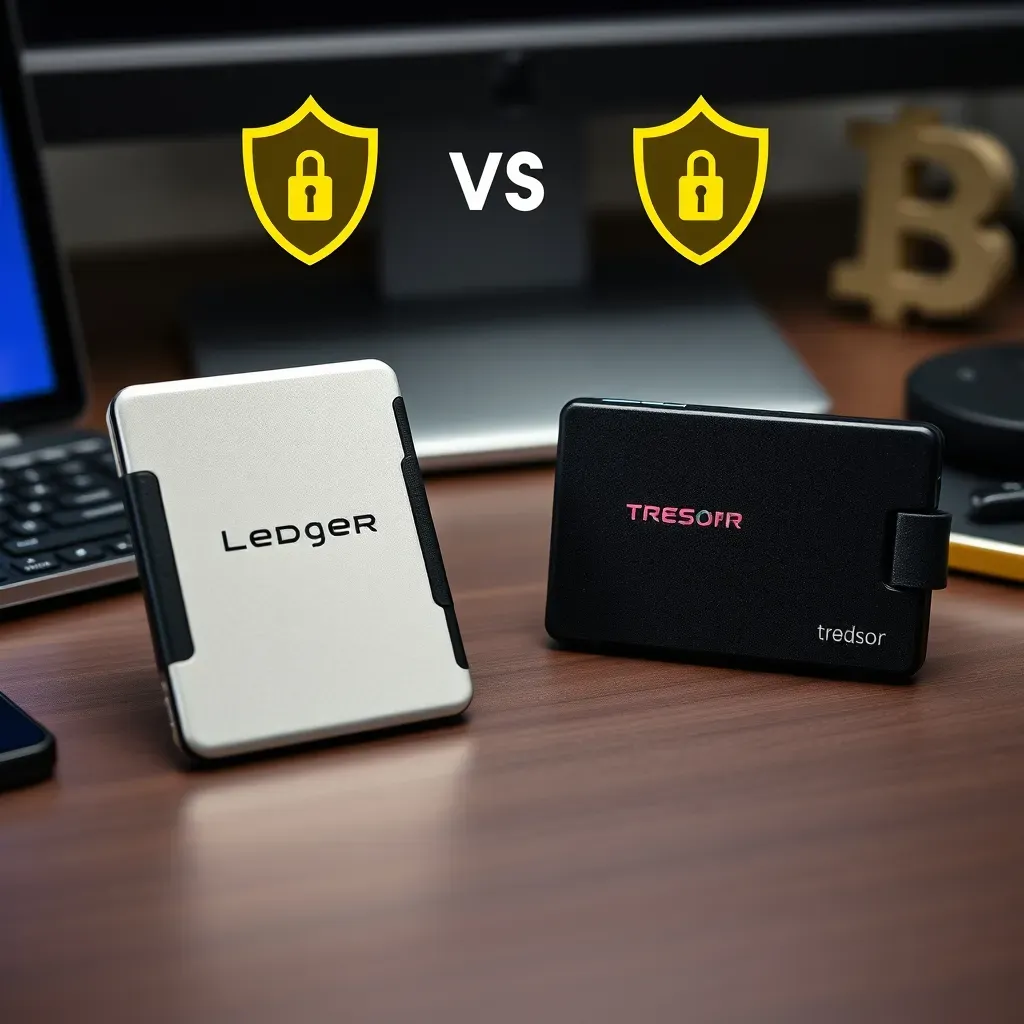
Guarde seus Ativos com Carteiras Físicas (Hardware Wallets)
Deixar criptomoedas em corretoras expõe seu patrimônio a riscos de bloqueios e invasões. As Hardware Wallets isolam suas chaves privadas totalmente da internet, garantindo que apenas você tenha controle do seu dinheiro.
Ledger Flex (Touchscreen E-Ink)
A nova carteira de hardware com tela touch E-Ink segura, conexão Bluetooth, USB-C e proteção para mais de 5.500 criptoativos.
- Tela Touchscreen E-Ink de alta definição
- Chip Secure Element CC EAL6+ anti-violação
- Personalização de tela de bloqueio com NFT ou foto
- Compatível com iOS, Android, Mac e Windows
Ledger Nano S Plus (Matte Black)
O clássico modelo de entrada com tela nítida, memória ampliada para até 100 aplicativos simultâneos e blindagem militar.
- Preço mais acessível para iniciantes
- Chip CC EAL6+ para isolamento total de chaves
- Gerencie pelo aplicativo oficial Ledger Live
- Envio internacional com garantia oficial
Trezor Safe 3 & Safe 5
A pioneira e referência absoluta em transparência e segurança de chaves privadas para Bitcoin e criptoativos.
- Arquitetura Open Source auditável
- Tela colorida com confirmação física
- Proteção com Shamir Backup
- Suporte nativo a Bitcoin e EVMs
Opere Cripto com a Mesma Plataforma dos Traders Institucionais
Pare de operar no escuro. Tenha acesso à ferramenta de análise gráfica mais utilizada do planeta com gráficos ao vivo, candles sem atraso e suporte completo a centenas de pares cripto.
Ao criar sua conta através d'A Cifra, você ganha um cupom de $15 de desconto na sua assinatura Pro e 30 dias de teste grátis.
Plataformas Recomendadas para Negociação e Staking
Compare as maiores corretoras globais reguladas com suporte a depósitos instantâneos via PIX, taxas reduzidas e bônus de abertura de conta.
Bitget
Exchange Global de Alta Liquidez
- Até $5.000 em bônus
- Taxas baixas a partir de 0.1%
- Copy trading automatizado
- Depósitos rápidos via PIX

Binance
Maior Corretora do Mundo
- Cashback exclusivo em USDC
- Mais de 600 criptomoedas
- Maior volume global
- Staking flexível e bloqueado

OKX
Infraestrutura Web3 & Trading
- Mystery Box de até $10.000
- Carteira Web3 integrada
- Taxas competitivas para trading
- Plataforma profissional auditada

Gate.io
Líder em Diversidade de Altcoins
- Mais de 1.700 altcoins listadas
- Acesso antecipado a tokens
- Startup Launchpad com airdrops
- Bônus de boas-vindas ativo

Kraken
Pioneira em Segurança e Custódia
- Segurança institucional de referência
- Suporte especializado 24/7
- Margin trading avançado
- Interface Pro com gráficos fluidos

Coinbase
Referência em Simplicidade
- Ganhe $10 em Bitcoin no cadastro
- Empresa listada na Nasdaq (COIN)
- Interface ultra simples para iniciantes
- Segurança regulatória global
Ao utilizar os links de convite acima, você garante os benefícios oficiais de cadastro e apoia a produção de jornalismo educativo e análises independentes da A Cifra.
Conteúdo educacional e informativo, sem caráter de recomendação de investimento personalizada. Rentabilidades passadas não garantem resultados futuros. Antes de investir, consulte um profissional certificado pela CVM.
Bitcoin é seguro?
A rede Bitcoin é protegida por prova de trabalho (SHA-256) e nunca foi hackeada em nível de protocolo. Os riscos principais são: volatilidade de preço, perda de chaves privadas (custódia própria) e falhas de exchanges centralizadas.
O que é o halving do Bitcoin?
Evento programado que ocorre a cada 210.000 blocos (~4 anos) onde a recompensa dos mineradores é reduzida pela metade, diminuindo a emissão de novos BTC e aumentando a escassez programática.
Como guardar Bitcoin com segurança?
Para valores significativos, use hardware wallet (Ledger, Trezor). Para uso diário, carteiras móveis confiáveis (Trust Wallet, BlueWallet). Nunca guarde grandes quantias em exchanges. Faça backup da seed phrase (12-24 palavras) em local físico seguro.
Newsletter Semanal
Análises profundas, alertas de oportunidades e guias práticos direto no seu email.
✓ Sem spam ✓ Cancele quando quiser ✓ 100% gratuito